


Air Purification & Filtration For Fresher Home Comfort
Dust returning days after cleaning can make your home feel harder to maintain. When indoor air feels stale, your HVAC system deserves a closer look. At Mod HVAC, our Air Purification & Filtration service helps connect your concerns with practical improvements.
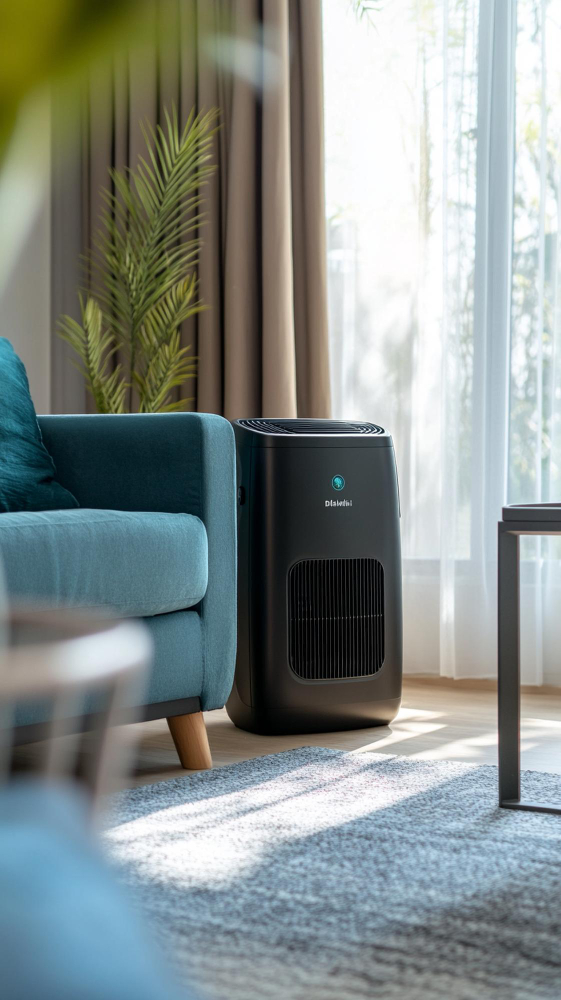
Air Purification & Filtration For Your Home
Your heating and cooling system circulates air through your living spaces during everyday operation. That moving air carries particles that filters can capture before air returns to your rooms. The right setup depends on your equipment and the concerns you want to address.
Some homeowners notice dust collecting around vents shortly after wiping surfaces clean. Others want help managing airborne pet dander during long periods spent indoors. We start with those everyday observations rather than recommending equipment before understanding your home.
Our Air Purification & Filtration approach considers how your existing system handles circulating air. We examine the filter arrangement and discuss the changes you have noticed. That gives us a useful starting point for recommendations grounded in your equipment.
Air cleaning can reduce indoor pollutants, but it cannot remove every pollutant from your home. Controlling pollution sources and using appropriate ventilation remain important parts of improving indoor air. We explain these limits so expectations stay realistic from the beginning.
Understanding What You Notice
Dust on furniture can come from normal household activity and materials carried indoors. Your HVAC system can move airborne particles, although it does not create every dust problem. We look at the larger picture before connecting visible dust to one component.
For example, an open window near a busy street can introduce particles throughout the afternoon. A filter upgrade can help capture circulating particles without stopping their source outdoors. Understanding that difference helps you decide where improvements will have the most value.
Pets introduce another familiar concern, especially when they spend most of their time inside. Dander can become airborne during ordinary movement and circulate through occupied rooms. Regular cleaning supports filtration by removing material before it returns to the air.
Persistent odors need a different conversation because particle filters do not capture every gas. A room can smell stale even when its filter appears clean. We discuss the concern before treating an odor problem as a standard filter problem.
Our broader HVAC services also address equipment concerns that affect airflow and home comfort. That connection matters when an air quality complaint appears alongside uneven temperatures or weak vents.
Starting With Your Existing Filter
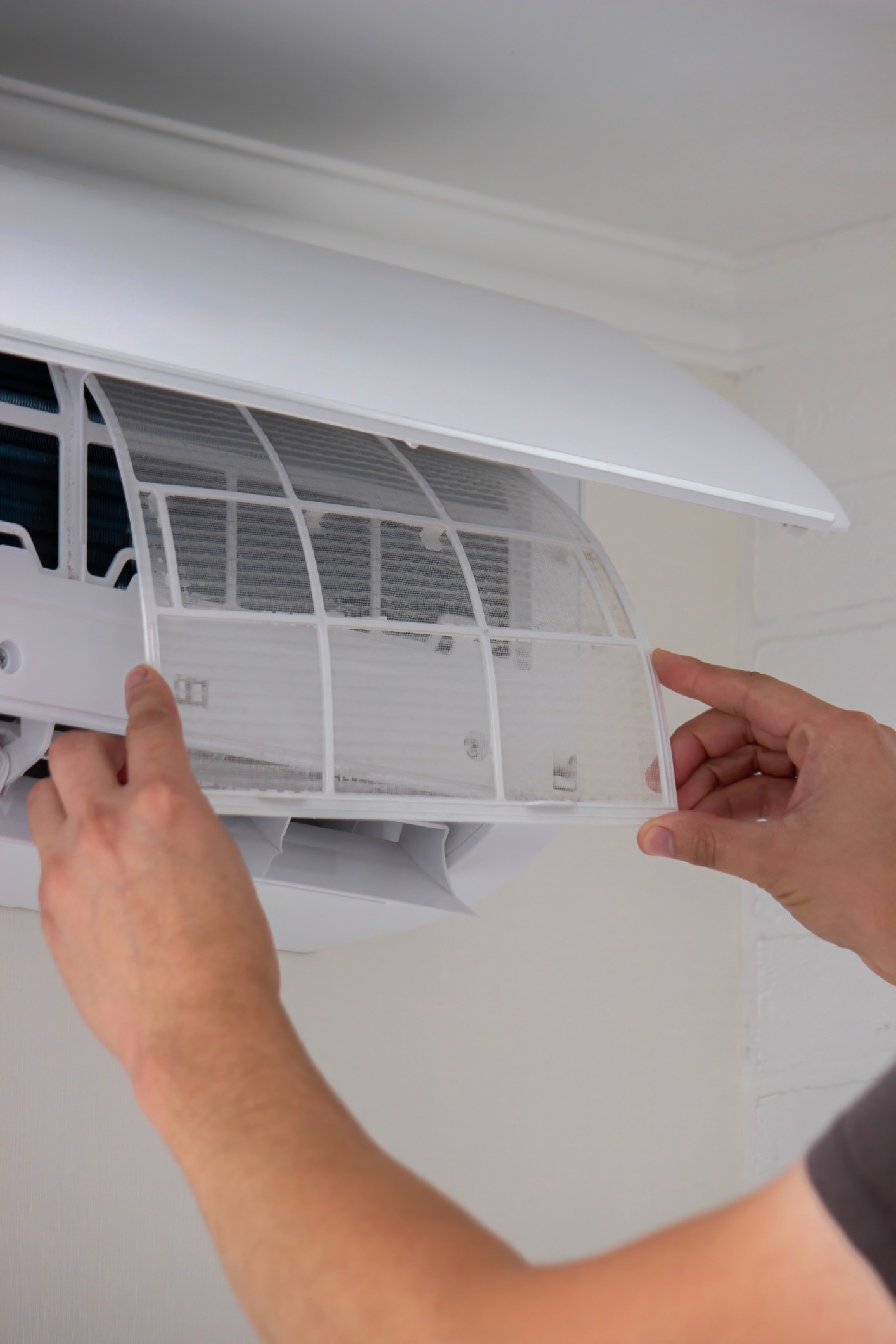
A filter works best when air passes through its material instead of escaping around the edges. Poor fit can let particles bypass the filter and travel farther into your system. Correct dimensions matter as much as the rating printed on the package. We check the filter location and look at how the existing filter sits inside its holder. An uneven fit or damaged frame can reduce the value of an otherwise suitable product. Addressing those details can be an important first step before discussing upgrades.
The direction of installation matters when the filter includes an airflow arrow. Following the manufacturer’s instructions helps the filter operate as intended inside your equipment. We explain replacement steps so routine care feels manageable after the service visit.
A filter that becomes dirty quickly gives us useful information about household conditions. It can indicate that replacement needs attention more often than your current routine allows. We discuss that pattern instead of assigning every home the same calendar.
Filter Upgrades Without Airflow Problems
A stronger filter rating can sound appealing when you want fewer airborne particles indoors. However, the filter must suit your HVAC system’s ability to move air. An upgrade needs to support filtration without creating unnecessary resistance inside the equipment.
MERV ratings describe how effectively a filter captures particles within tested size ranges. Higher ratings indicate greater capture efficiency for many particles passing through the filter. That rating does not describe every aspect of how the filter fits your home.
The EPA recommends MERV 13, or the highest rating your system can accommodate. Its guidance includes checking the fan’s capabilities and the available filter slot. We consider compatibility before recommending an upgrade based on the rating alone.
With Air Purification & Filtration, performance starts with a suitable match for your equipment. We assess the existing arrangement and discuss what an upgrade would require. Sometimes improving the filter setup involves more than replacing the disposable filter itself.
Why Filter Depth Matters
Many homes use thin filters located near the furnace or inside a return grille. Other systems use deeper media filters inside a dedicated cabinet near the equipment. These arrangements have different requirements for installation and access during routine replacement.
A deeper filter offers more media surface area in many designs. Its performance still depends on the product specifications and how it works with your system. We review those details before recommending changes to the existing filter arrangement.
Replacing a thin filter with a deeper product requires a compatible holder. A filter should never be forced into a space that cannot accommodate it. Proper installation gives the air a path through the filter material.
Access matters because a difficult replacement process can encourage homeowners to postpone routine care. We discuss where the filter sits and how replacements will work afterward. An effective setup should also be practical to maintain through changing seasons.
Keeping Expectations Practical
Air Purification & Filtration can help reduce particles circulating through your HVAC system. It will not stop household dust from forming or remove everything settled on surfaces. Cleaning remains necessary, even when the filtration setup performs well.
Improved filtration also does not guarantee relief from an individual person’s allergy symptoms. Indoor triggers vary, and health concerns deserve guidance from a qualified healthcare professional. We focus our recommendations on equipment performance rather than making medical promises.
That honest approach matters when you are spending money on a home improvement. You deserve to understand the expected benefit before committing to an upgrade. We explain what the equipment addresses and where its limits remain. Our customer testimonials offer another perspective on working with us before arranging a visit. Reading feedback can help you feel more comfortable discussing concerns about your own equipment.
Whole-Home Options
And Service
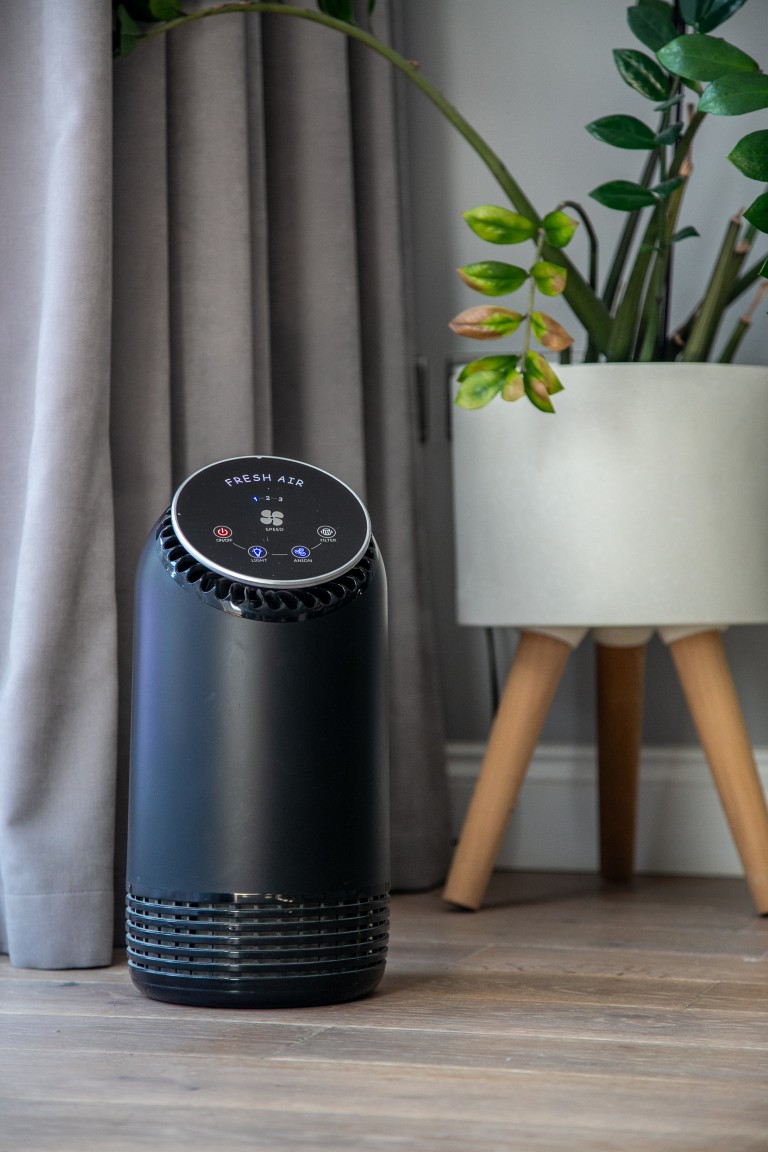
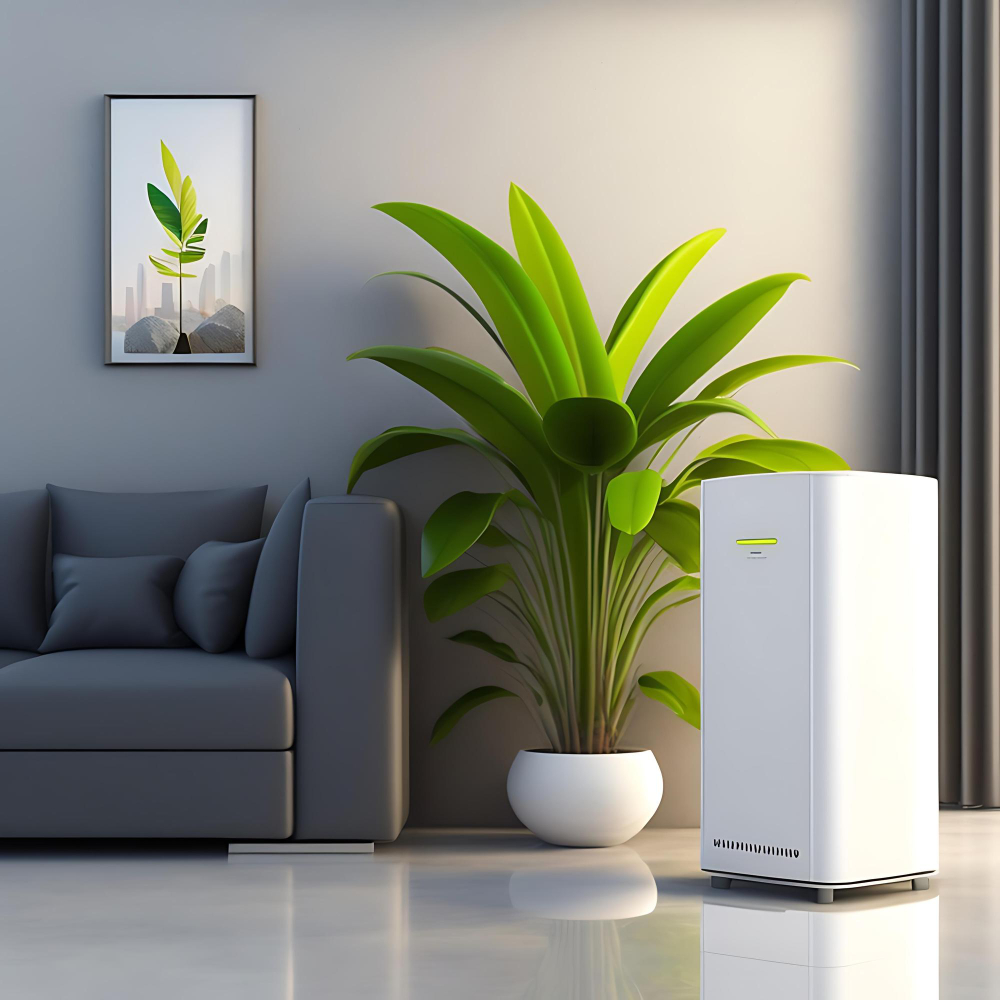
Central HVAC filtration treats air that passes through the system during operation. Portable air cleaners focus on a room or an individual area instead. The useful approach depends on the spaces involved and the airflow available.
For Air Purification & Filtration, we discuss how much coverage you need before considering equipment. A concern limited to one bedroom differs from particles circulating throughout the house. We help you understand those differences without turning the conversation into technical homework.
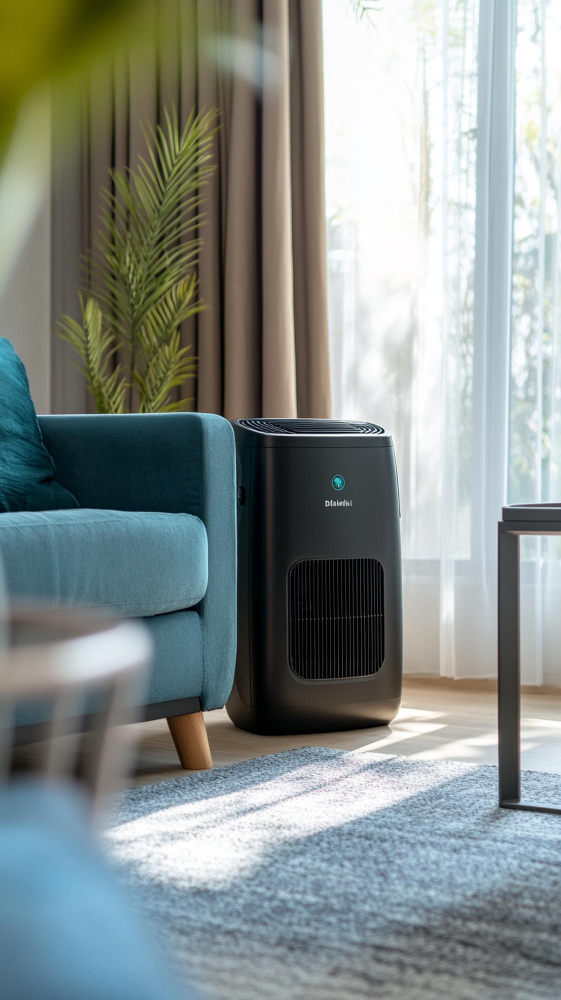
A portable cleaner must suit the room where it will operate. Its clean air delivery rate helps describe how much filtered air it provides. Placement and unobstructed airflow also affect how the device works within that space.
Whole-home filtration relies on your central system moving air through its filter. It does not continuously treat every room when the blower remains off. Operating settings deserve discussion because additional fan operation can affect electricity use.
Addressing Odors And Gases
Standard particle filters are designed to capture particles rather than remove every airborne gas. Odor control may require a different type of media suited to the pollutant involved. Activated carbon can capture certain gases, although performance depends on the product and conditions.
An odor that keeps returning also deserves attention at its source. A filtration upgrade should not substitute for fixing water intrusion or another underlying household problem. We discuss what the system can address before recommending equipment for persistent smells. Devices that intentionally produce ozone should not be used to clean occupied indoor spaces.
EPA guidance advises avoiding these products because ozone can harm respiratory health. We favor a careful review of technology instead of relying on broad purification claims.
What Our Assessment Covers
Our Air Purification & Filtration assessment starts with your concerns and the equipment already installed. Tell us where the issue appears and when you first noticed it. That information helps us focus the inspection on the parts most relevant to your home.
We look at the filter arrangement and consider the system’s airflow needs. Concerns about leaky ductwork may also deserve investigation before selecting additional air-cleaning equipment. Air entering through an unintended opening can undermine the improvements you are trying to make.
If you recently remodeled, mention the work and the rooms involved. Construction activity can leave dust behind that requires cleaning beyond a filter replacement. That context helps us avoid treating a temporary source as a permanent equipment problem.
We explain the available options and the installation work each option would require. You should also understand replacement filter availability before approving an equipment change. An affordable installation can become frustrating if routine replacement materials are difficult to obtain.
Our HVAC project gallery provides a look at completed work and equipment arrangements. You can also learn about Mod HVAC before inviting us into your home.
Maintaining Your New Setup
After installation, Air Purification & Filtration equipment needs care according to its manufacturer’s instructions. A loaded filter cannot keep performing as intended without replacement. We explain the routine and help you understand which materials your setup requires.
Check filters more closely when household conditions change, especially during dusty projects. Increased occupancy or pets can also affect how quickly a filter collects material. Your replacement routine should reflect those conditions instead of relying on guesswork.
Avoid washing disposable filters unless the manufacturer identifies the product as washable. Water can damage filter material that was designed for replacement rather than cleaning. Keeping a compatible spare available can make routine replacement easier when the time arrives.
Seasonal HVAC service offers a useful opportunity to discuss how the filtration setup is performing. Mention new noise or weaker airflow after changing a filter product. Those observations help identify compatibility before they become a continuing source of frustration.
FAQs
What Is The Difference Between An Air Filter And An Air Purifier?
An air filter captures particles as air passes through its material during operation. Air purifier describes a broader category of equipment with different air-cleaning technologies. We explain the specific function before recommending a product for your home.
Can Better Filtration Reduce The Dust I See Around My House?
Better filtration can capture more airborne particles that pass through your HVAC system. It cannot remove dust already settled on furniture or stop new dust from forming. Regular cleaning remains part of keeping your living spaces comfortable.
Is A Higher MERV Rating Always Better For My HVAC System?
A higher rating must still match your system’s airflow capabilities and filter arrangement. We assess compatibility before recommending a product that could restrict airflow excessively. The suitable rating balances particle capture with your equipment’s operating needs.
Can Filtration Help With Pet Dander Inside My Living Spaces?
Suitable filtration can capture airborne pet dander that passes through the filter. Cleaning surfaces also helps reduce material that may become airborne again during household activity. We discuss practical equipment options without promising specific health outcomes.
Will An Air Cleaner Remove Every Odor From My Home?
Particle filters do not remove every gas responsible for odors inside your home. Certain sorbent materials can address some gases, depending on the equipment and pollutant. Persistent odors also require attention to their source before selecting an air cleaner.
How Often Should I Replace My Filter After An Upgrade?
Replacement timing depends on the filter manufacturer’s guidance and your home’s operating conditions. We explain the recommended routine for the product installed in your system. Check sooner when unusual dust or household changes increase the filter’s workload.
Give Your Indoor Air Attention
Discuss Air Purification & Filtration with Mod HVAC to find an approach that fits your equipment and household concerns. Visit our contact page to arrange an assessment and talk through practical options for your home.